

What Grief Counselling Involves and How It Helps
Grief doesn't follow a schedule. It doesn't wait until you feel ready, and it rarely looks the way you expect. Grief counselling in Cairns and online can support you through loss of any kind, whether that's the death of someone you love, the end of a relationship, a health diagnosis, or something else that's changed everything.
From Impossible to Possible in Counselling
When life feels impossible, it may not mean you are failing. It may mean the problem feels too big to hold all at once. In this post, Allan Bunyan from Strong Foundation Support in Cairns talks about small steps, feeling stuck, and how counselling can support people to move from impossible to possible without pressure or big promises.
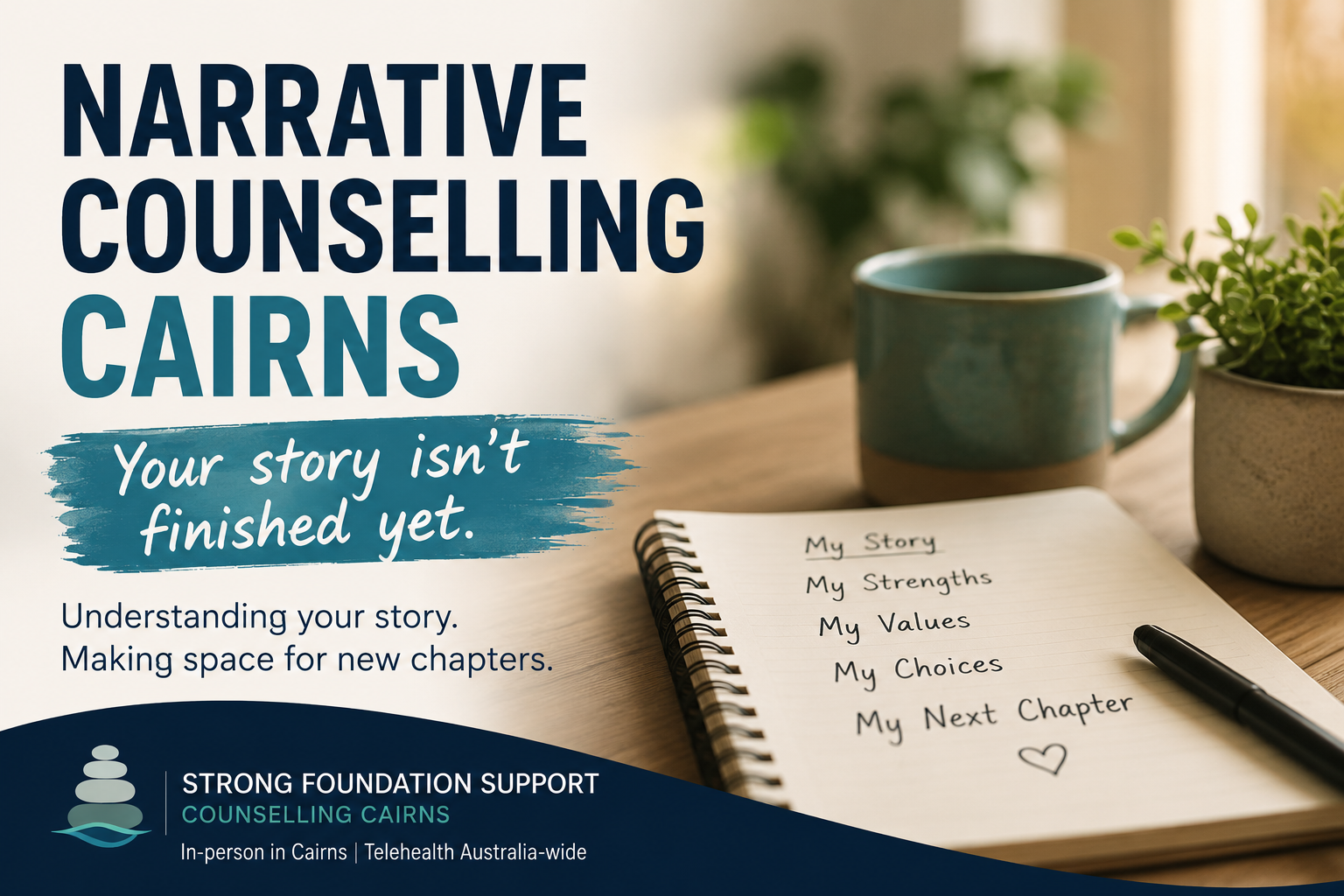
Narrative Counselling Cairns
Narrative counselling can help you look at the stories you carry about yourself, your life, and the problems you face. In this post, Allan Bunyan from Strong Foundation Support in Cairns explains narrative counselling in simple terms, including how it can support people dealing with anxiety, grief, disability, stress, shame, or major life changes.
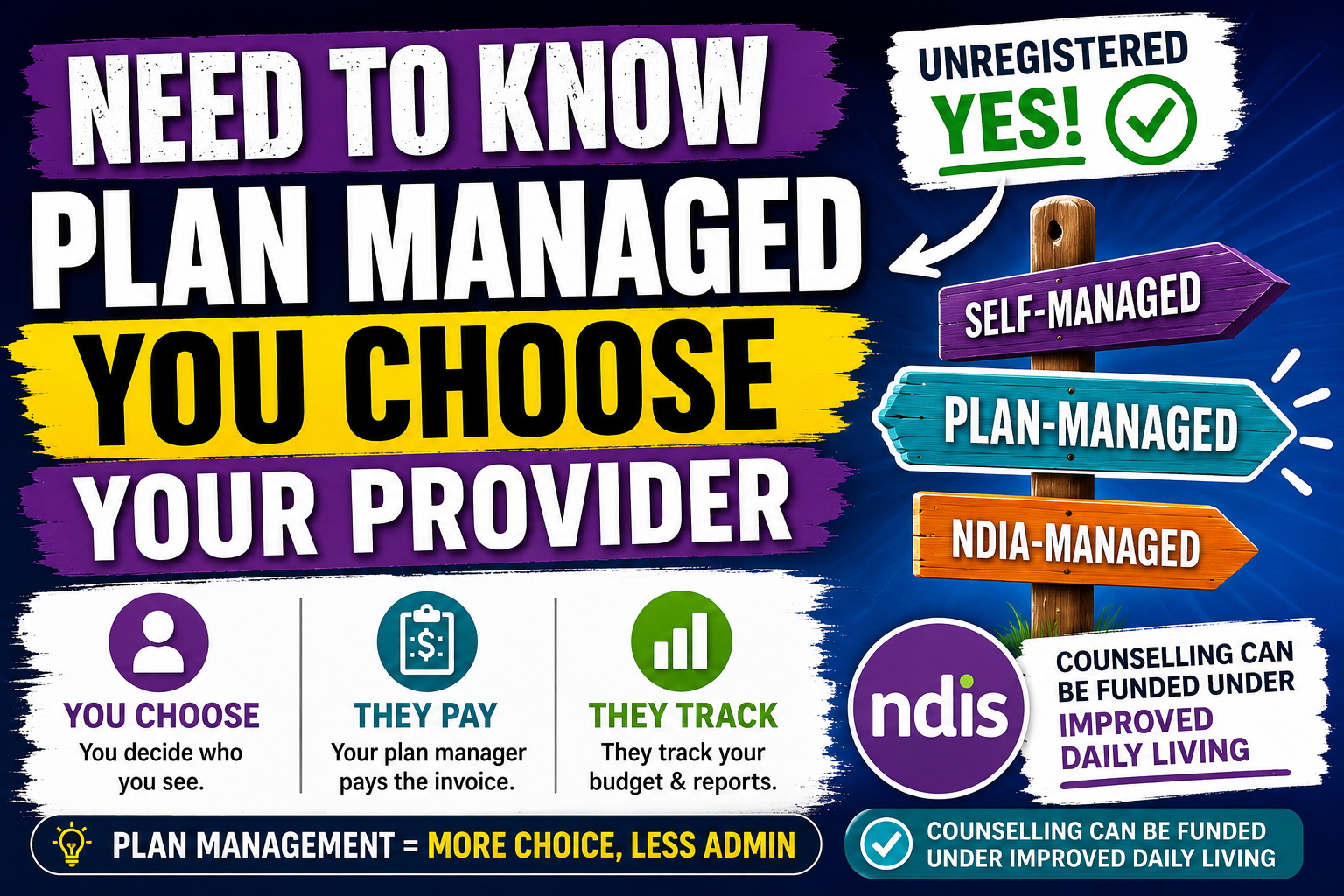
NDIS Counselling for Plan-Managed Participants: What You Need to Know
Plan-managed under the NDIS doesn't mean you're stuck with registered providers only. I'm not registered, and I still work with plan-managed participants every week. Here's how the invoicing actually works, and what to ask your plan manager before you book.
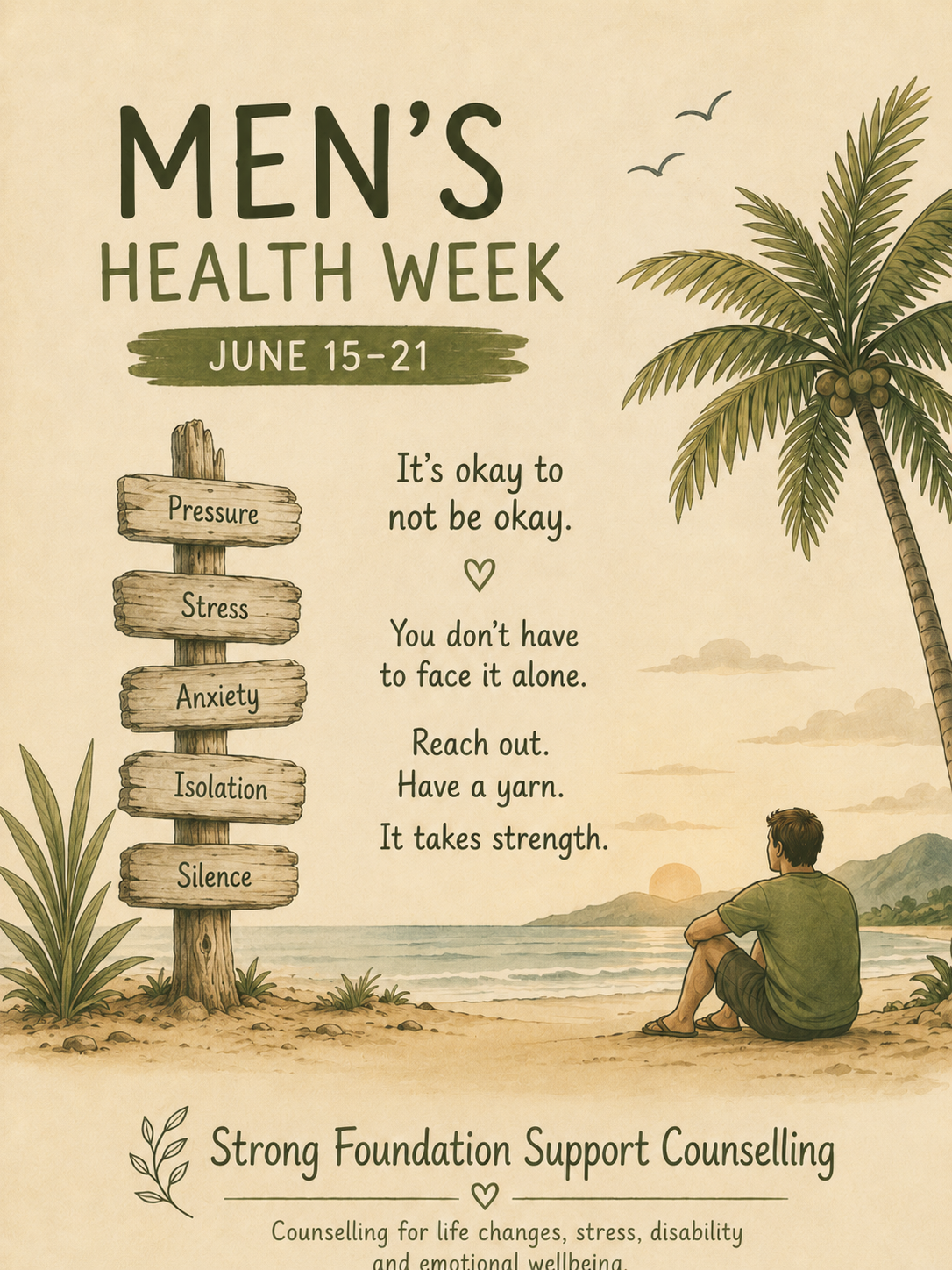
Men's Mental Health: What Men's Health Week Is Really About
Men make up more than 75% of all suicide deaths in Australia. Yet men are about half as likely as women to see a GP or health professional for their mental health. This post looks at why that gap exists, what men's mental health actually looks like, and what to do if things aren't sitting right.
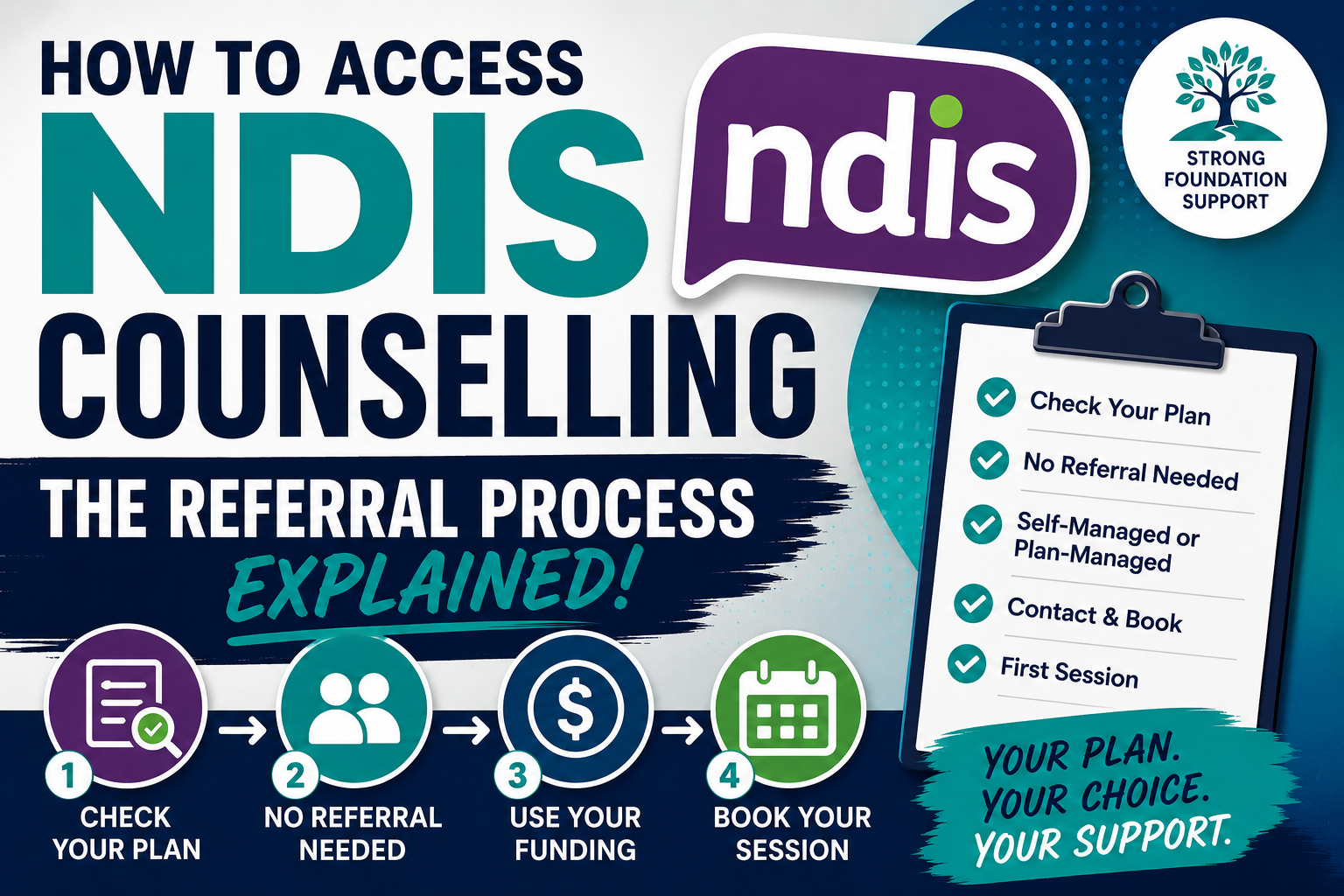
How to Refer to NDIS Counselling: What to Expect
A lot of people who contact me have been thinking about it for weeks. They know they have NDIS funding. They know counselling might help. But they are not sure how to actually make it happen.
The process is simpler than most people expect. You do not need a GP referral. You do not need a formal document from your support coordinator. If you are self-managed or plan-managed and you have Improved Daily Living funding in your NDIS plan, you can contact me directly.
The first step is checking your plan. Counselling sits under Capacity Building, specifically the Improved Daily Living support category. If that funding is in your plan, you are in the right place. If you are not sure, your plan manager, support coordinator, or LAC can confirm it in a short phone call.
From there, the process is a free 15-minute call to work out whether what I offer fits what you need. No intake forms. No lengthy assessment. Just a conversation.
Read the full post to understand exactly how the funding works for self-managed and plan-managed participants, what happens at the first session, and what to do if counselling is not yet in your plan goals.
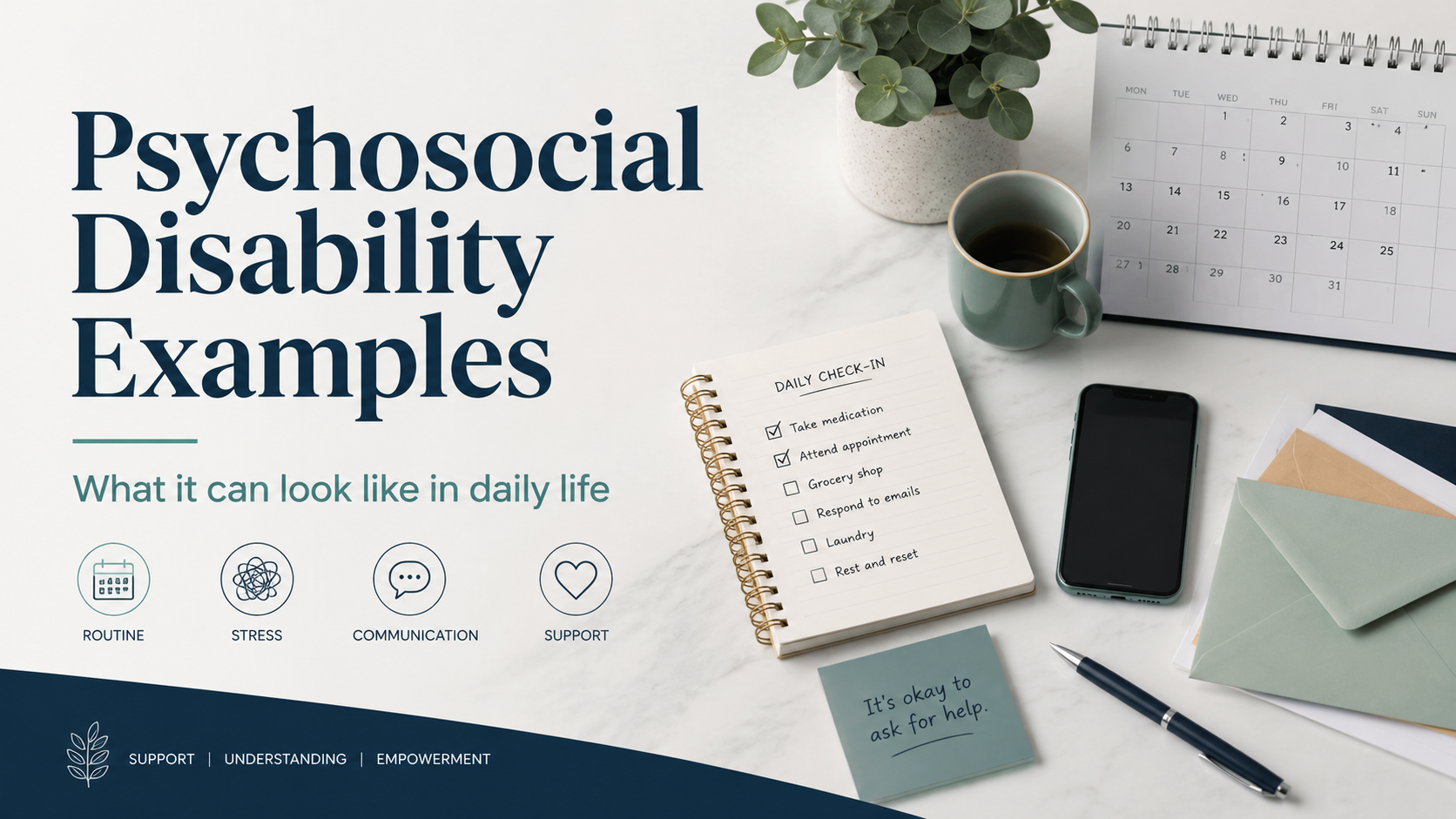
Psychosocial Disability Examples: What It Can Look Like and How Counselling Can Help
Psychosocial disability can affect daily life in ways other people may not see. This blog explains common examples, how it may affect NDIS participants, and how counselling can support emotional wellbeing, stress, adjustment and daily coping.
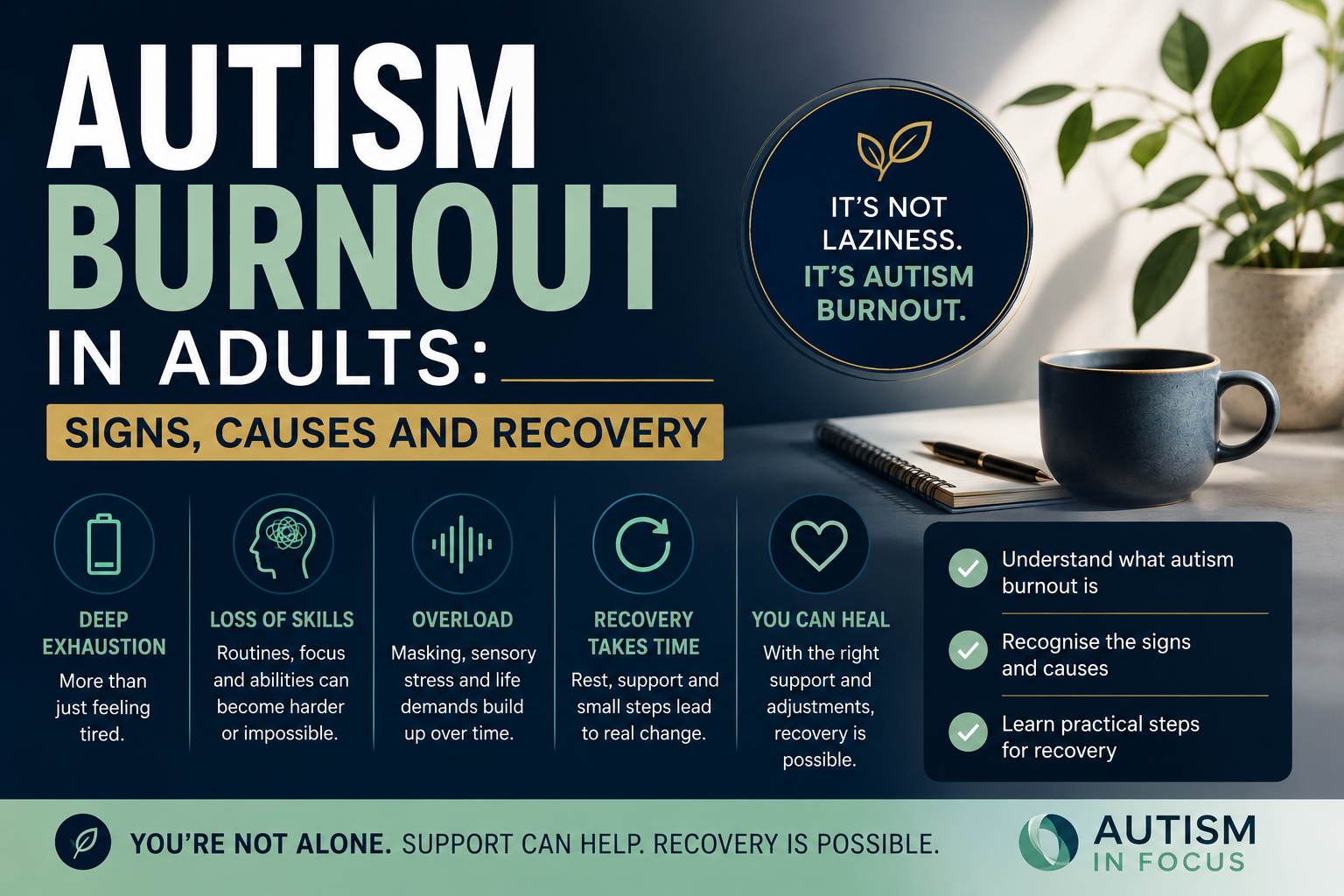
Autism Burnout in Adults: Signs, Causes and Recovery
Autism burnout in adults builds slowly. It comes from years of masking, managing sensory overload, and meeting expectations that were never designed with autistic people in mind. This post covers what drives it, what it feels like, and what recovery actually looks like. Written by Allan Bunyan Strong Foundation Support
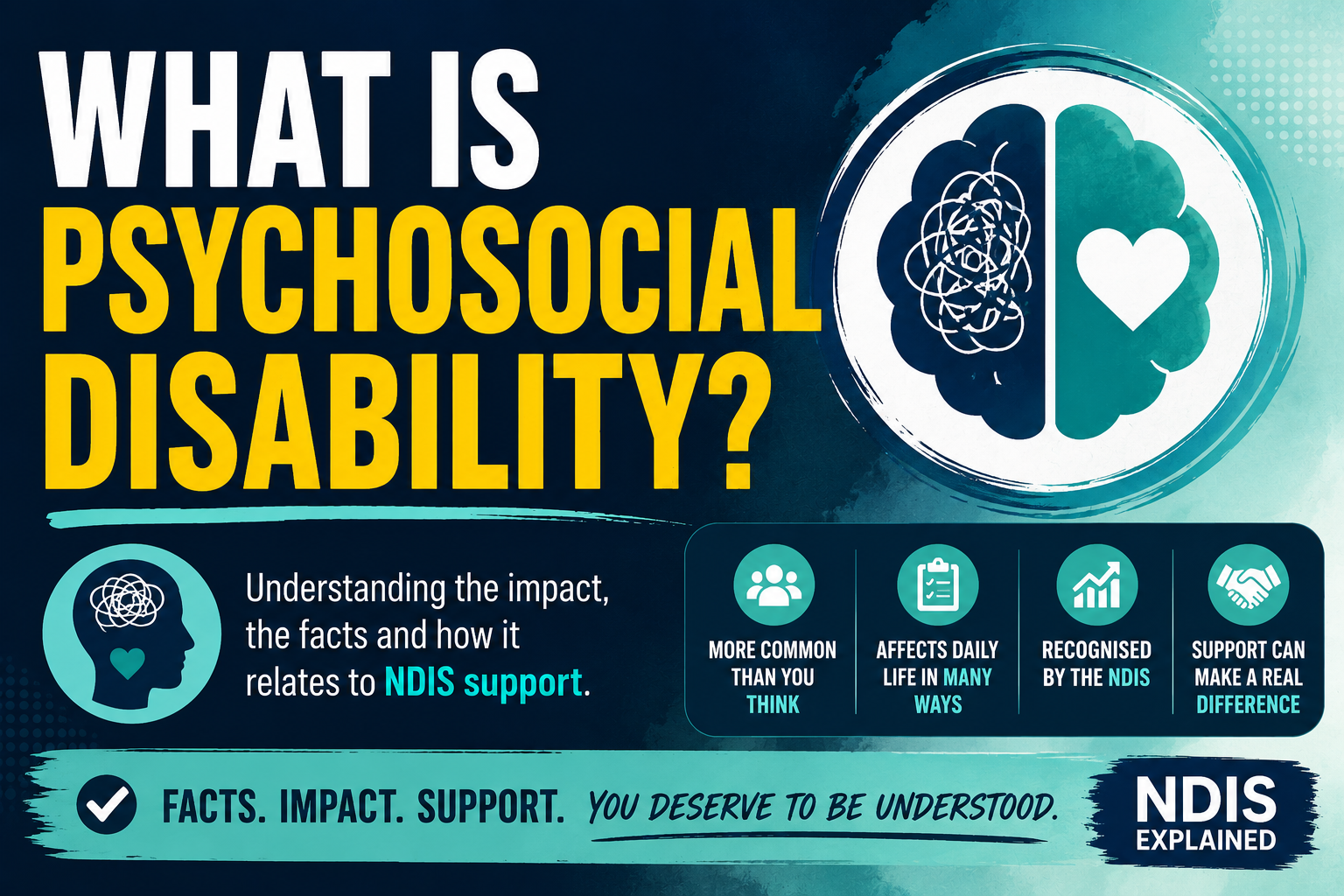
What Is Psychosocial Disability?
Psychosocial disability is not a diagnosis. It is the term used to describe how a mental health condition affects a person's ability to do everyday things. This post explains what it means, who it affects, and where counselling fits in. Written by Allan Bunyan Strong Foundation Support
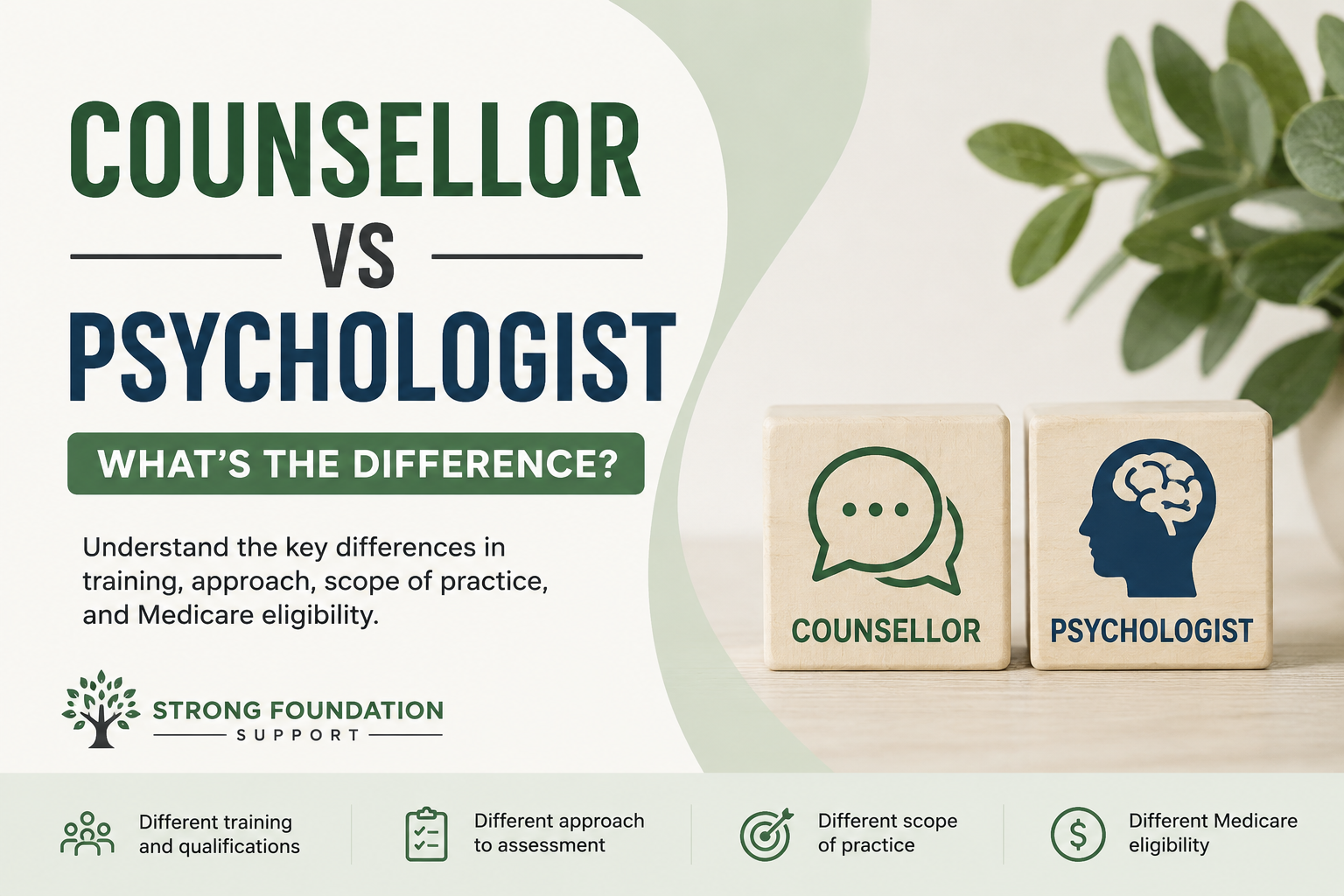
Counsellor vs Psychologist: What's the Difference?
A lot of people aren't sure whether to see a counsellor or a psychologist. This post explains the difference in plain language, including how each role works, who each one tends to support, and what Medicare covers and what it doesn't.
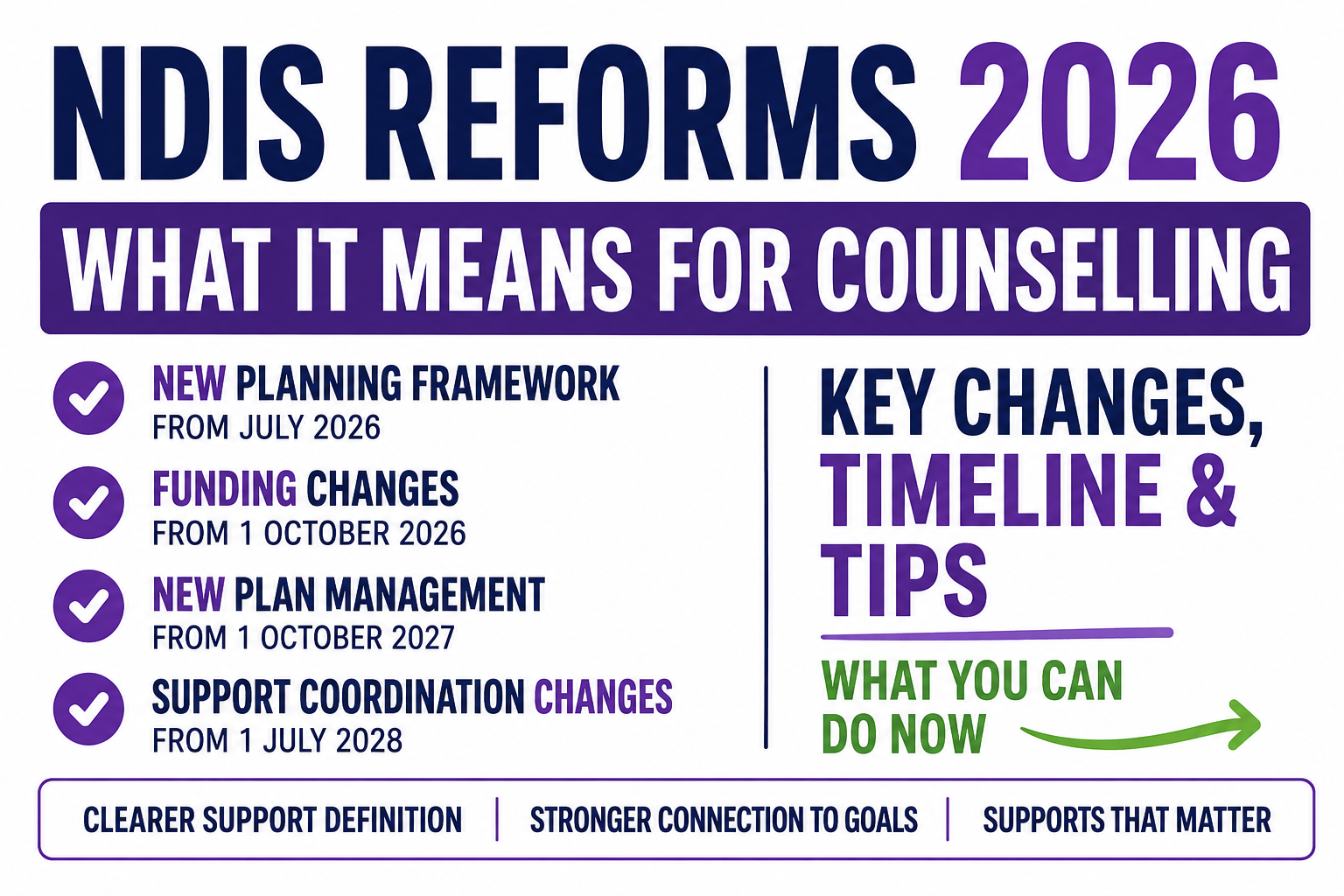
What the NDIS Reforms 2026 Mean for Your Supports
The NDIS is going through significant changes in 2026 and a lot of participants want to know what it means for their supports. This post covers what is actually happening, what the timeline looks like, and what it means for therapeutic supports like counselling.
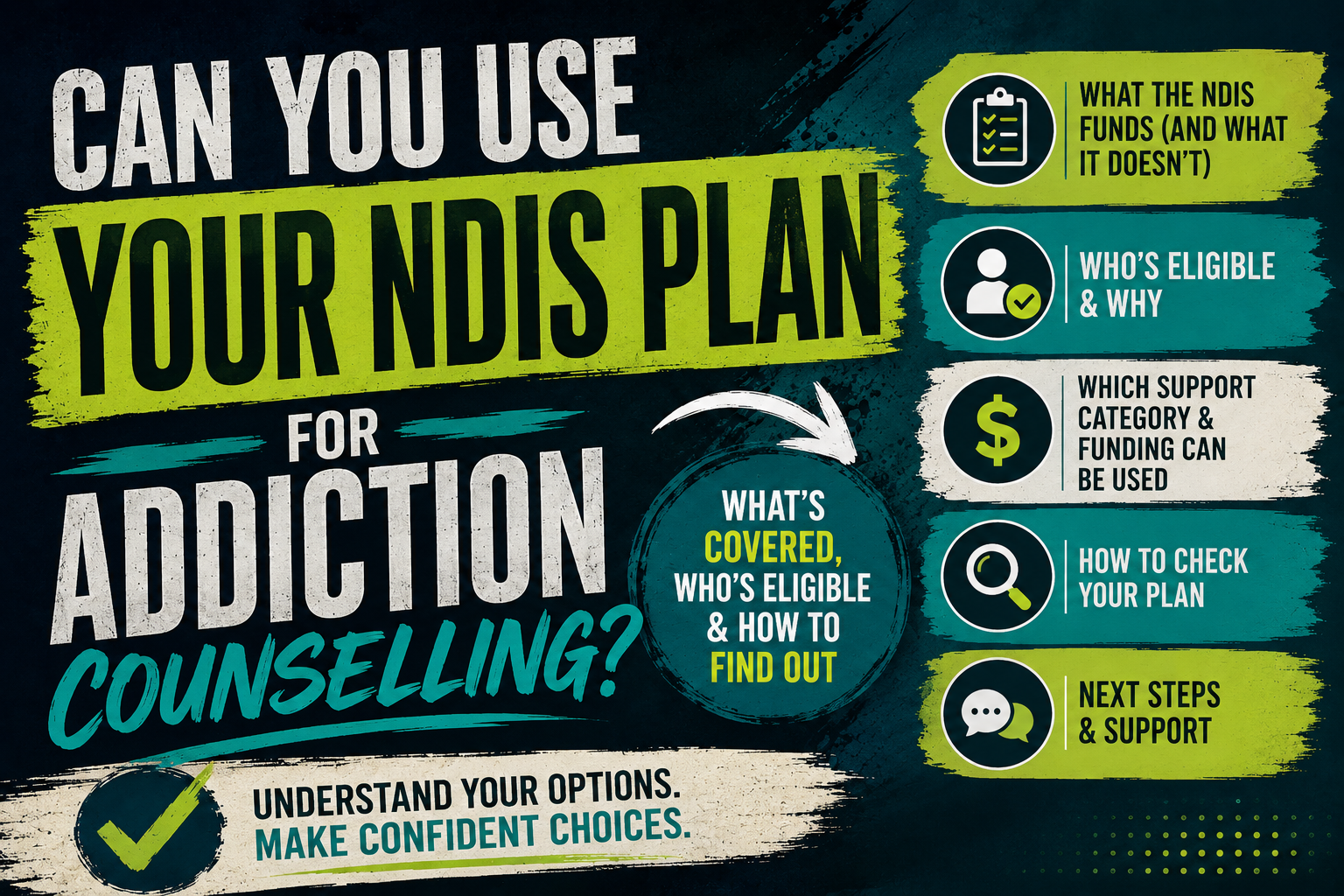
Can you use your NDIS plan for addiction counselling?
Your NDIS plan may cover addiction counselling, depending on your support categories and plan goals. This post explains what is funded, which category applies, and how to find out if your plan includes it.
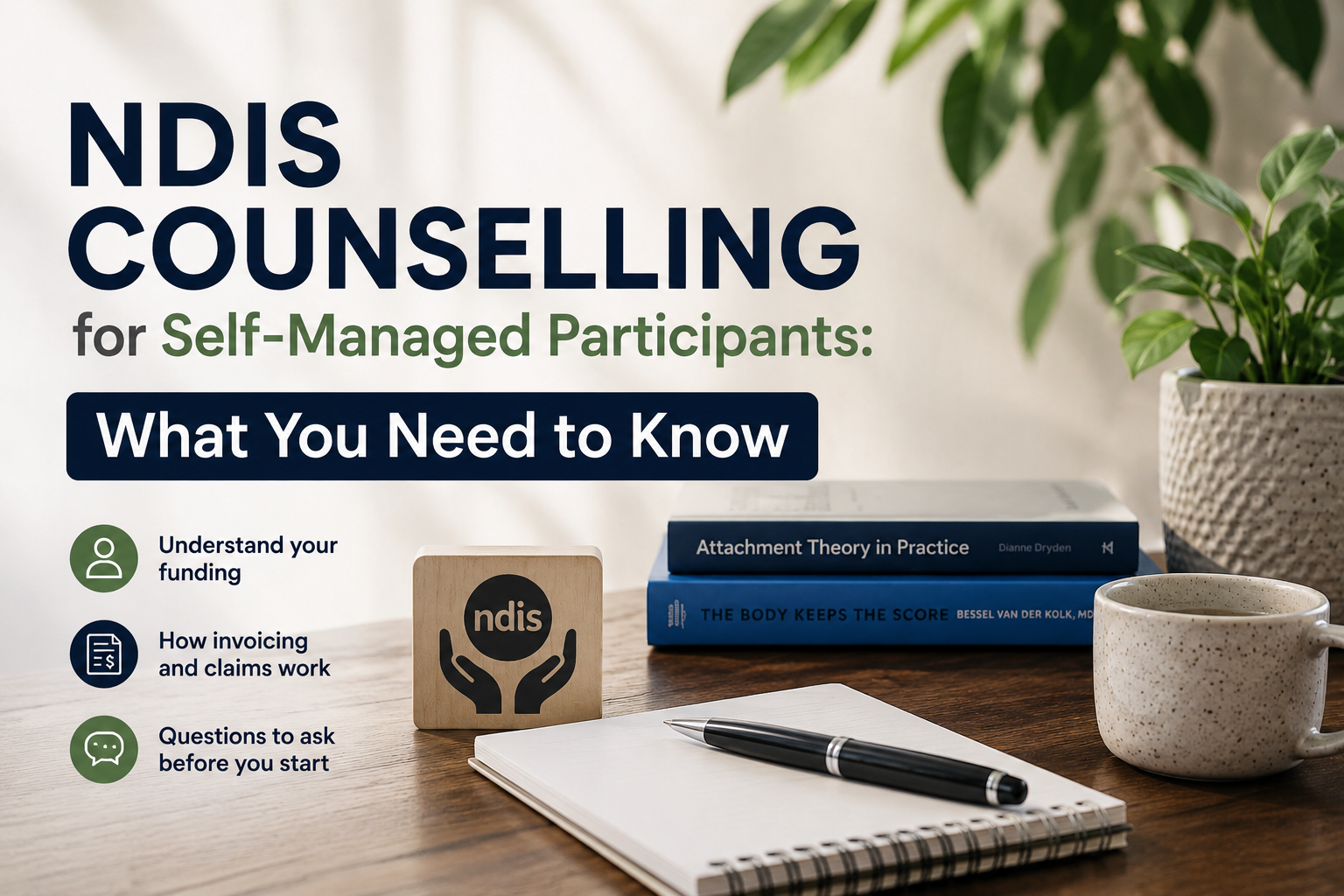
NDIS Counselling for Self-Managed Participants: What You Need to Know
Self-managing your NDIS plan means you choose your own providers. That includes counselling. Here is what funding applies, how the invoicing works, and what to ask before you book your first session.
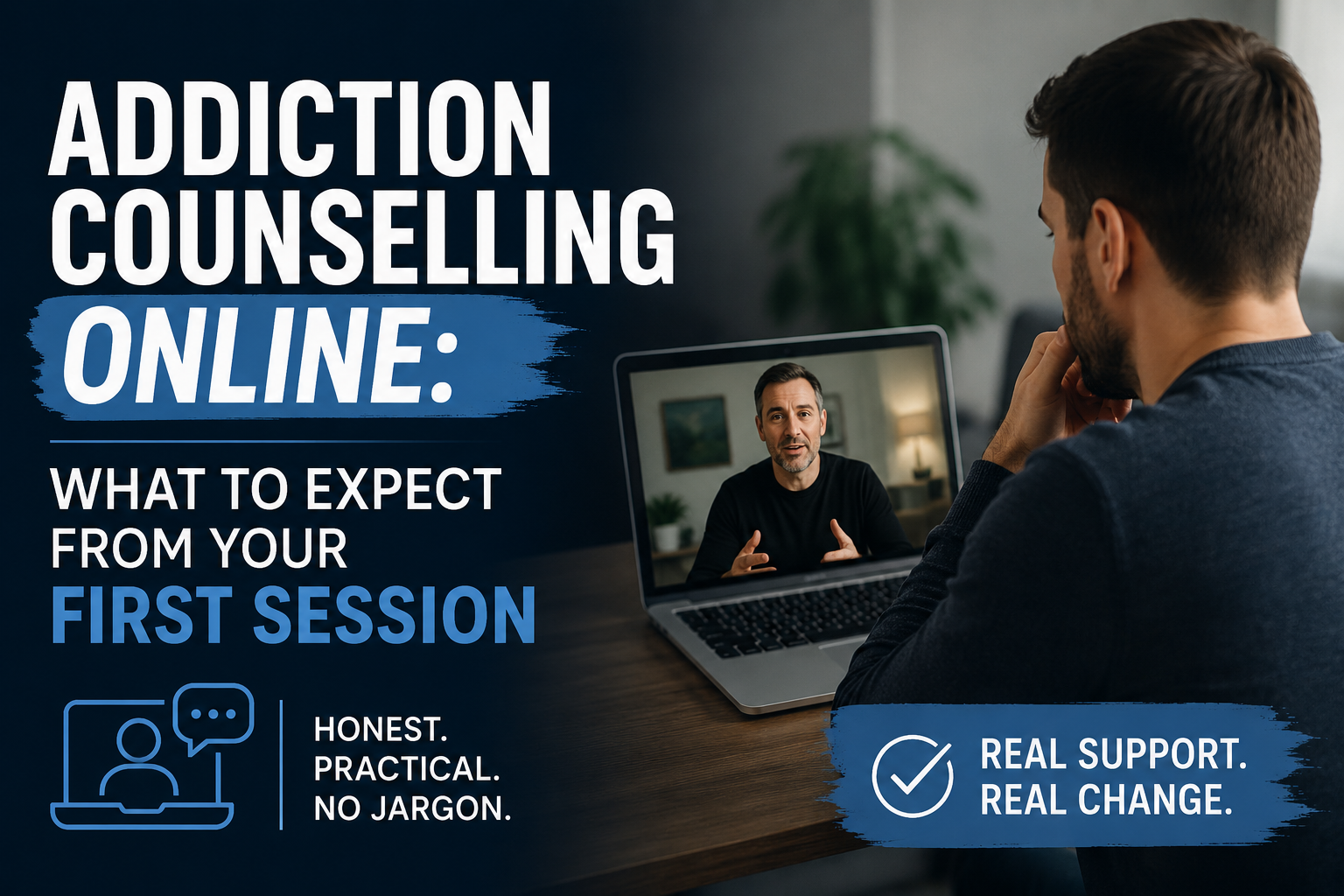
Addiction counselling online: what to expect from your first session
Thinking about online addiction counselling but not sure what you are walking into? This post covers exactly what happens, from the first 15-minute call through to what ongoing sessions actually look like. No referral needed, no waiting lists

No One Prepares You for the Quiet After Leaving Hospital
Most people focus on getting out of hospital. Going home feels like it should be the relief part. But nobody really talks about what happens after you walk through your own front door. The house is quiet. The routine is gone. And the things that were kept at arm's length while you were a patient start to surface.